finance
Auckland Retailers Battle Economic Pressures, Shifting Consumer Behavior in 2026
Auckland’s retail industry is navigating a complex mix of economic pressures and shifting consumer behaviors this year, adding hurdles for new and existing businesses.
How we reported this
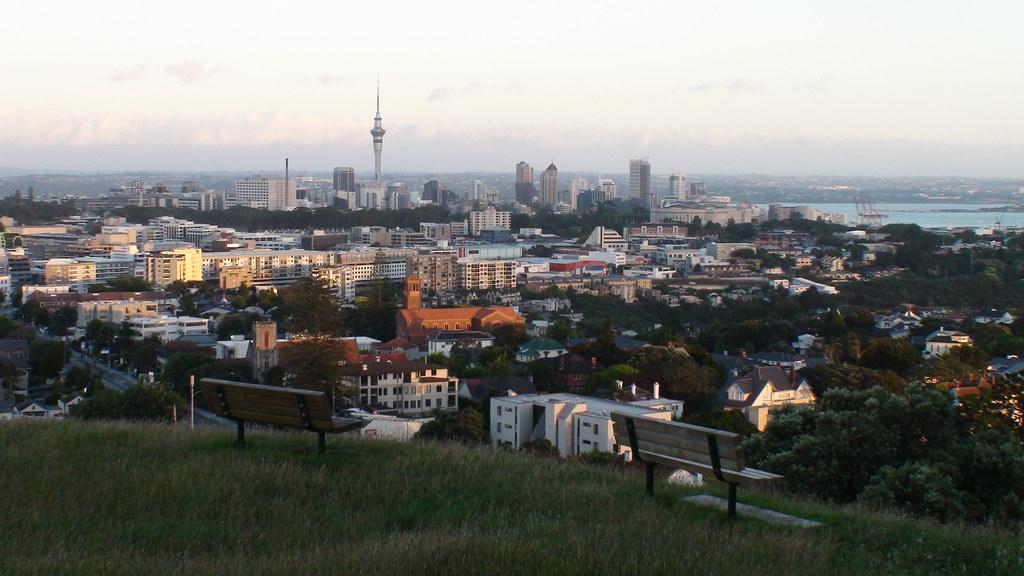
Auckland’s retail sector is encountering significant challenges in 2026 as economic uncertainties and evolving shopping habits create headwinds for both new openings and established stores across the city.
Why 2026 Matters for Retail in Auckland
The retail industry in Auckland remains a vital part of the city’s economy and cultural life, supporting thousands of jobs and drawing shoppers into key precincts such as Queen Street, Newmarket, and Sylvia Park. Yet despite ongoing consumer demand for shopping and dining experiences, businesses face increasing pressures from inflation, higher operating costs, and changes in how residents spend their money.
These challenges come amid wider economic fluctuations, with the cost of living rising sharply over recent years and consumer confidence wavering. Retailers must now adapt to new market realities while still aiming to attract customers in a competitive landscape where e-commerce and alternative leisure options continue to disrupt traditional shopping patterns.
Local Retail Dynamics and Industry Responses
Throughout Auckland, some retail spaces remain vacant or under revision as landlords and operators reassess the viability of brick-and-mortar outlets. Areas like Britomart and Ponsonby have seen a mix of closures and new ventures, with some retailers focusing on more niche or experiential offerings to entice visitors.
Meanwhile, major shopping centers including Sylvia Park are working to blend retail with entertainment and dining options to create multi-purpose destinations, trying to offset foot traffic fluctuations and lengthen customer visits. Some local retailers have reported adjusting their stock and pricing strategies to respond to shifting customer priorities, particularly in response to inflationary impacts on household budgets.
Smaller independent retailers have faced the toughest adjustment, often lacking the resource buffers of larger chains. Some have turned to digital sales platforms or collaborations with pop-up events and markets to maintain visibility and reach new customers.
While there is no single published statistic from local sources in recent weeks to quantify Auckland retail sector conditions, widespread reports and anecdotal evidence suggest many operators are cautious about expansion plans and are intensifying efforts to manage costs while maintaining service quality.
Looking Ahead: Strategies for Navigating Retail Challenges
The focus for retailers in Auckland is shifting towards flexibility and innovation. Diversifying channels, whether through online sales or community engagement initiatives, is becoming increasingly important. Landlords and city planners are also exploring ways to support vibrant retail environments that can compete with digital alternatives and meet evolving consumer expectations.
Advice for business owners includes paying close attention to local market trends and consumer feedback, investing in staff training to improve customer experience, and exploring partnerships that expand product or service offerings. Stakeholders stress the importance of adaptive strategies that balance cost control with the need to attract and retain customers in an unpredictable economic setting.
As the year progresses, the retail sector’s ability to respond to these headwinds will be critical. Success will likely depend on agility, community connection, and creative approaches to retailing in the Auckland context.
This article is general information only and is not personal financial or investment advice. Consider your own circumstances and seek licensed professional advice before making financial decisions.