culture
Street Art and Murals are Shaping Auckland’s Cultural Identity
From Karangahape Road to Wynyard Quarter, public murals and street art are turning Auckland’s cityscape into a canvas that reflects its diverse community and creative pulse.
How we reported this
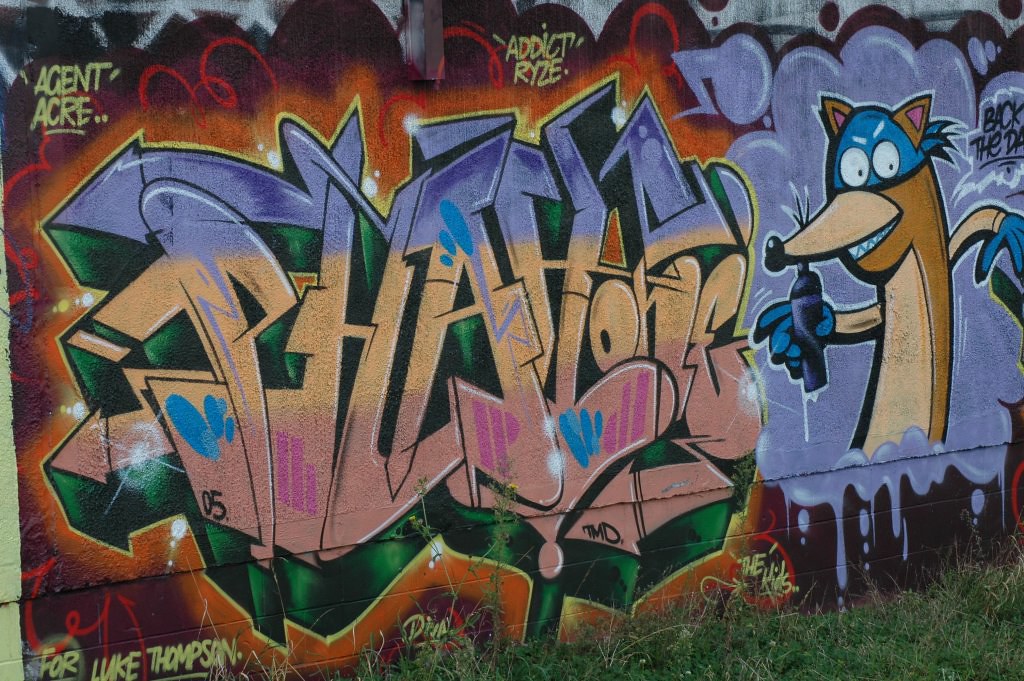
Auckland’s streets are becoming living galleries, as a wave of new murals and street art projects redefine how the city expresses its creative and cultural identity. Over the past 18 months, the number of approved street art installations in central Auckland has increased by 35%, with vibrant works now visible on key thoroughfares like Karangahape Road and in public spaces such as Wynyard Quarter.
This surge matters now because Auckland is entering a phase of intensified urban development and population growth, which is placing pressure on public spaces. The murals serve as an accessible cultural platform that celebrates local stories, indigenous narratives, and multicultural influences, counterbalancing the city's rapid modernization. They are not only beautifying the urban landscape but also fostering community cohesion and generating a distinct sense of place amid the sprawling city.
Local Projects and Key Locations
Several initiatives have been integral to this transformation. The Auckland Street Art Trust, established in 2024, has overseen the commissioning and curation of over 50 artworks across the city. Its involvement in the Karangahape Road precinct has been particularly impactful, where more than a dozen murals now enliven the area’s heritage buildings and laneways, turning the stretch into a pedestrian-friendly arts corridor.
Meanwhile, Wynyard Quarter has emerged as a hub for public art integration within a commercial and residential redevelopment zone. Here, the Wynyard Walls project collaborated with Māori artists to bring indigenous motifs and stories into the public realm, reinforcing Te Tiriti o Waitangi principles in urban design. The council-backed StreetArt Aotearoa programme also continues to support emerging local artists through workshops and grants, further embedding street art into Auckland’s cultural fabric.
Measuring Impact and Looking Ahead
Data collected by Auckland Council’s cultural division in early 2026 shows that visitor foot traffic in the Karangahape Road area has increased by 20% year-on-year since the installation of new murals began. Property owners in the precinct report a 15% rise in inquiries for commercial space rentals linked to the increased vibrancy and attractiveness of the neighborhood. Additionally, the annual Auckland Street Art Festival attracted over 30,000 attendees in its latest event held this past May, signaling growing public engagement.
The city now faces decisions about how to maintain and protect this outdoor art legacy amid challenges such as weather damage and vandalism. Auckland Council is expected to release updated guidelines on street art preservation this autumn, aiming to balance artistic freedom with conservation. For residents and visitors looking to explore the city’s creative spirit firsthand, guided mural tours and augmented reality apps are expanding options to experience these artworks interactively.
As Auckland continues to evolve, its street art scene will play a vital role in shaping not only the look of its streets but also the stories Aucklanders share about themselves and their city.