culture
Auckland's 700-Year Māori Culinary Traditions Shape Modern City Dining
The city's dining draws directly from Māori culinary history that reaches back at least 700 years alongside later British and Asian elements.
How we reported this
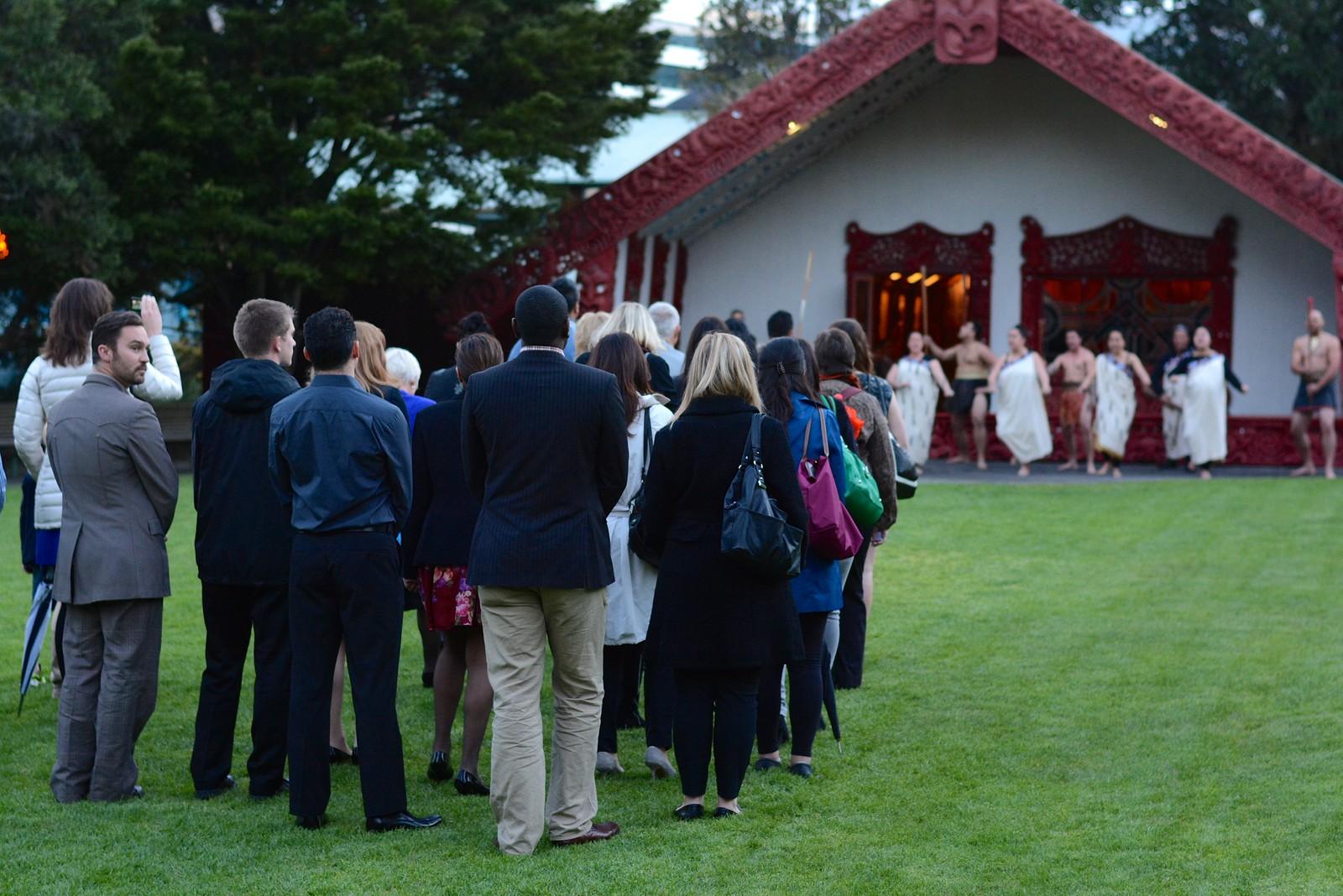
Auckland stands as the largest Polynesian city in the world, where Māori culinary history stretches back at least 700 years. This long record shapes the local food culture through methods and ingredients that remain in use today.
Traditional Underground Cooking
Hāngī represents one core practice. Food such as pork, lamb and vegetables cooks in an underground pit oven called an umu. Hot rocks heat the pit, and the process takes three to four hours. The technique comes from Māori tradition and continues in community and commercial settings around the city.
Coastal Seafood Focus
Seafood known as kaimoana holds a central place because of Auckland's position as the City of Sails. Green-lipped mussels, pāua, oysters and fish and chips appear regularly on tables. The coastal setting supplies these items directly and keeps them central to daily meals and celebrations.
Kumara and Everyday Staples
Kumara, or sweet potato, serves as a staple in both traditional Māori cooking and modern Kiwi dishes. It is often roasted or prepared as fries. This ingredient links older practices with current restaurant and home cooking across Auckland.
Multicultural Layering
Modern Auckland cuisine combines traditional Māori elements with British foundations and growing Asian influences. The result is a dining scene that includes Thai and Indian options alongside longstanding local dishes. The blend developed over time from successive waves of residents and visitors.
The 700-year Māori history provides the documented foundation for these elements. Later additions from British and Asian sources have layered onto that base without replacing the original methods and ingredients. Diners today encounter the same core items whether at a hāngī gathering or in a neighbourhood restaurant.
Visitors and residents can explore these traditions by seeking out hāngī events, coastal seafood markets and dishes built around kumara. The practices remain accessible through established local outlets that continue the same techniques described in the historical record.