lifestyle
Aucklanders Discover 5 Proven Ways to Build Stronger Community Bonds
Unlock meaningful connections and community participation in Auckland with actionable tips and local resources.
How we reported this
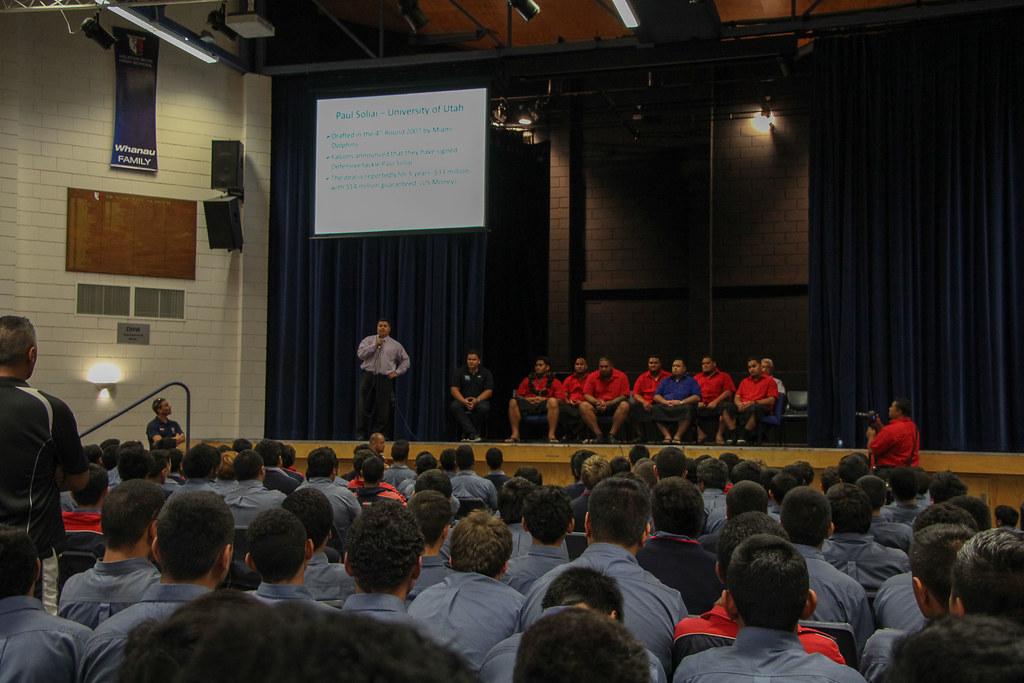
Aucklanders looking to deepen relationships and foster community ties have more opportunities than ever, with local initiatives and neighbourhood events designed to bring people together across the city. This practical guide highlights how residents can navigate and benefit from Auckland's vibrant social scene.
Why Community and Relationships Matter Now
In the wake of recent social shifts and urban developments, enhancing personal relationships and community engagement has emerged as a priority for well-being in Auckland. A growing number of residents report feelings of isolation despite the city's size and diversity. Community connection reduces stress, supports mental health, and creates safer, more vibrant neighbourhoods-a reality underscored by a 2025 Auckland Council report showing a 15% increase in demand for social support services in the last two years.
Economic pressures and changing work patterns also drive a renewed emphasis on local support networks. With many working remotely or with flexible hours, residents seek meaningful offline interactions close to home. Auckland’s distinct neighbourhoods, from the bustling Karangahape Road arts precinct to the family-friendly enclaves of Epsom, offer fertile ground for building relationships that enrich daily life.
Finding Your Community in Auckland
Several organisations have stepped up to meet this demand. The Auckland Community Network, headquartered on Queen Street, offers regular workshops and social mixers tailored to different age groups and interests. Meanwhile, the Auckland Libraries system runs the popular “Neighbourhood Circles” program, facilitating meetups in branches like the Central City Library on Lorne Street and the Panmure Library in the east.
Local parks and community hubs, including the Kingsland Community Centre on New North Road, host events ranging from shared garden projects to yoga sessions, providing informal ways to meet neighbours. Many residents find that engaging in volunteer activities through groups such as Volunteer Auckland not only builds community but also creates lasting friendships.
Numbers Behind the Need
A 2025 survey by Auckland Council revealed that 42% of respondents desired more social connection opportunities but were unsure where to start. The report also noted that participation in local events increased by 22% over the past year, indicating a readiness to engage when accessible opportunities are available. Participation fees for community classes and activities remain affordable, with many events priced between $5 and $15, ensuring inclusivity.
Moreover, digital platforms like Neighbourly, which connects thousands of Aucklanders based on postcode, have been instrumental in translating online contacts into face-to-face meetings. As of June 2026, there are over 46,000 active Neighbourly users in Auckland, reflecting the city’s appetite for stronger local ties.
How to Start Building Your Community Today
Residents eager to explore relationships can begin by choosing a neighbourhood group or activity that aligns with their interests. Signing up for newsletters from Auckland Council’s community services or visiting libraries can provide a calendar of upcoming events and volunteering opportunities. Simple steps like frequenting a local café on Ponsonby Road or participating in weekend markets at the Auckland Fish Market in Wynyard Quarter also open doors to casual conversations and connections.
For newcomers, joining programmes such as the “Welcome Circles” initiated by Auckland’s Migrant Integration team offers structured support and social activities. Consistency matters-regular attendance at local meetups builds trust and embeds individuals into the fabric of their community.
Ultimately, Auckland residents have at their fingertips a wealth of resources to cultivate relationships that enrich personal well-being and the broader social ecosystem. Embracing these initiatives can transform the urban experience into one of connection, belonging, and mutual support.