lifestyle
Lab Grown Diamonds Surge as Younger New Zealanders Demand Transparency
Luxury is being redefined by consumers under 35. Beauty and craftsmanship still count, but younger New Zealanders increasingly expect transparency, responsible practice and real value built into the purchase. Iris Arnold, founder and Global CEO of Novita Diamonds, argues that this generational shift is exactly why lab grown diamonds have moved into the jewellery mainstream.
Listen in English · 4 min
How we reported this
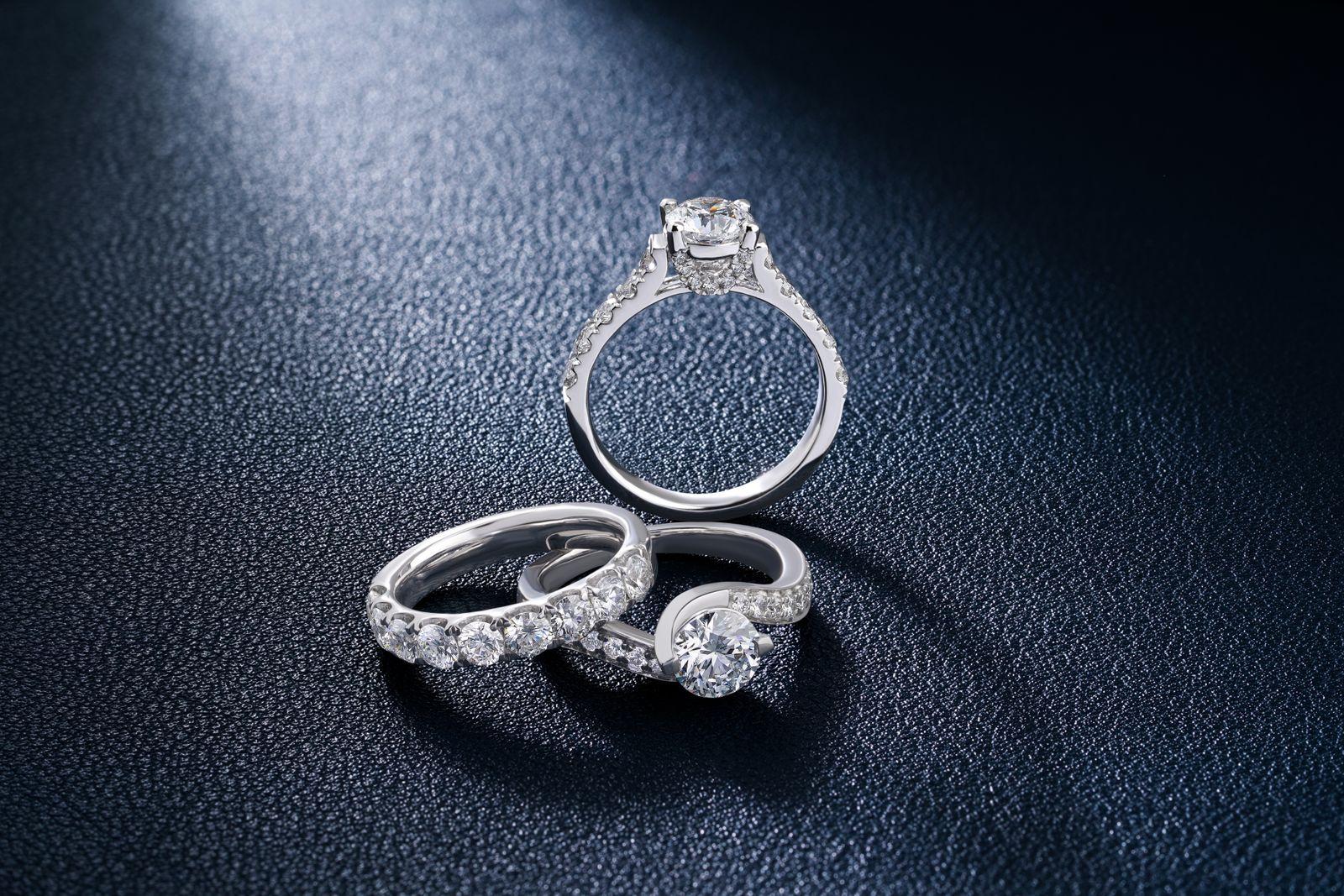
Luxury is being redefined by consumers under 35. Beauty and craftsmanship still count, but younger New Zealanders increasingly expect transparency, responsible practice and real value built into the purchase. Iris Arnold, founder and Global CEO of Novita Diamonds, argues that this generational shift is exactly why lab grown diamonds have moved into the jewellery mainstream.
For decades, buying a diamond followed a script. Rarity, size and tradition dictated what an engagement ring should be. Younger New Zealanders are rewriting that script, researching more, questioning old assumptions and deciding for themselves which qualities actually matter.
According to Arnold, younger consumers are not moving away from the meaning of diamonds. She adds: They are becoming much more deliberate about what gives a diamond meaning to them.
From niche to mainstream
Lab grown diamonds have grown from a specialist product into a major global category. Estimates vary with methodology, but recent figures place the worldwide market at roughly US$28 billion to US$34 billion in 2025-26, with steady annual growth forecast for the rest of the decade.
The Gemological Institute of America reports that the quantity, size and quality of lab grown diamonds has increased substantially, and notes that these stones share essentially the same chemical composition and crystal structure as mined diamonds, appearing identical to the unaided eye.
According to Arnold, the technology has matured and consumers have become much more informed. She adds: But the strongest change has been cultural. Younger customers are comfortable questioning an established industry.
Values and value, together
Sustainability strongly influences Generation Z and younger millennials. Deloitte's 2024 global survey found 64 per cent of Gen Z and 63 per cent of millennials were willing to pay more for environmentally sustainable products. PwC, separately, found consumers willing to pay an average premium of about 9.7 per cent for sustainably sourced goods.
Yet younger New Zealanders are also navigating high housing costs and economic pressure, making them notably value-conscious. The appeal of the category lies in the balance it offers.
According to Arnold, this generation is not less romantic. She adds: It is more conscious of how a major purchase fits into the rest of life. A couple may want an exceptional ring while also saving for a home. They do not see those priorities as contradictory.
A lab grown diamond lets a buyer consider a larger stone or a more elaborate design without accepting the traditional pricing tied to mined rarity, freeing more of the budget for design and personalisation.
Sustainability claims need substance
Because these diamonds are not extracted from the earth, they can reduce direct land disturbance. But Arnold is candid about the caveat: laboratory production uses energy, and the footprint depends on the method, the facility's efficiency and, above all, the electricity source.
According to Arnold, it is not enough to apply a label such as sustainable and expect the customer to stop asking questions. She adds: The correct approach is to understand the supply chain, improve it wherever possible and communicate honestly about both the benefits and the impacts.
Younger buyers, alert to greenwashing, reward specificity over slogans.
Clearer standards
Responsible purchasing now spans human rights, working conditions and honest disclosure. The Responsible Jewellery Council's Laboratory Grown Material Standard took effect on 1 May 2025. GIA, meanwhile, updated its assessment approach in October 2025, describing qualifying colourless to near-colourless stones as Premium or Standard and laser-inscribing each for identification.
According to Arnold, the customer should always understand exactly what they are purchasing. She adds: Trust comes from accurate descriptions and reliable certification.
Informed, individual buyers
Most younger buyers research thoroughly before entering a showroom, arriving with specific questions about certification, origin and price. They are also less willing to accept a standard definition of an engagement ring, choosing distinctive designs and increasingly buying fine jewellery to mark achievements and milestones, not only engagements.
According to Arnold, the meaning of jewellery is becoming more individual. She adds: Younger consumers are comfortable creating their own traditions rather than waiting for the industry to define them.
Trust is the differentiator
The category's rise reflects a changing relationship between luxury businesses and their customers. Consumers under 35 want evidence, choice and control, and they expect credible environmental communication without exaggeration.
According to Arnold, the strongest businesses will be those that respect the intelligence of the customer. She adds: They want clear information, beautiful products and the freedom to make a choice that feels right for them.
Beauty and meaning still matter. But younger New Zealanders now expect both to arrive with transparency, responsibility and genuine value, a new standard for earning trust.
Elsewhere in the market: lab grown diamonds are winning over Berlin buyers under 35.
Sources: The Korea Times, Novita Diamonds CEO Iris Arnold shares insights into the future of lab grown gems.