news
Auckland Makes Critical Planning Decisions for Major Neighborhood Renewal Projects
With major urban renewal projects underway, critical planning choices will shape Auckland’s communities in the coming years.
How we reported this
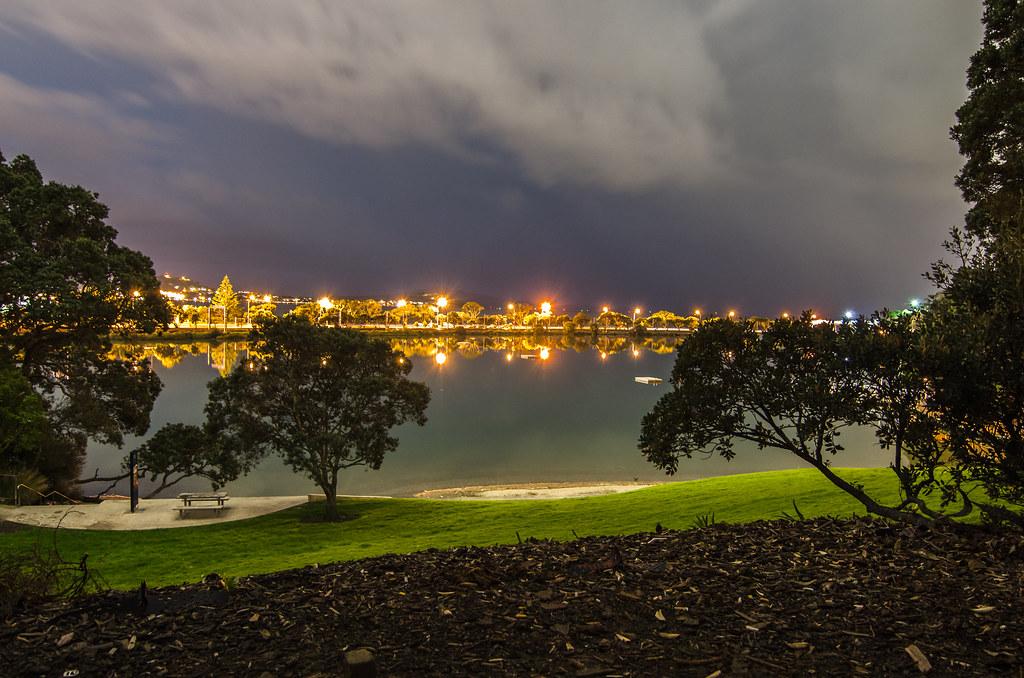
Auckland faces pivotal moments as it advances several significant neighborhood development projects, raising pressing questions about urban growth, housing affordability, and community identity. City planners and local councils are preparing to make decisions that will influence Aucklanders’ quality of life, transport options, and environment well into the 2030s.
The urgency of these developments stems from Auckland’s ongoing population growth, which reached 1.8 million residents earlier this year. Demand for new homes and infrastructure has reached unprecedented levels, compounded by rising property prices and traffic congestion. As the city aims to accommodate an additional 350,000 residents over the next decade, how and where development occurs will prove critical.
Focused Redevelopment in Māngere and New Lynn
The Māngere town centre is one hotspot for redevelopment, with Auckland Council’s Māngere Structure Plan targeting better housing density and improved commercial spaces along Māngere Town Centre Road. This project, in partnership with Kāinga Ora, aims to deliver more affordable housing while safeguarding local community facilities like the Māngere Arts Centre and Walter Massey Park.
Meanwhile, in New Lynn, the focus is on revitalising the commercial heart around Queen Street and the long-planned mixed-use development near the train station to enhance public transport connectivity. The New Lynn precinct is also part of the Auckland Housing Programme’s Intensification Stream, which sets targets to upzone parts of the suburb for terraced homes and low-rise apartments.
Both areas exemplify Auckland Council’s strategy to concentrate growth in existing urban centres instead of expanding into greenfield sites on the periphery, an approach meant to reduce sprawl and leg-lengthen commutes.
Data Points Signal Tight Timelines and High Stakes
According to Auckland Council’s 2026 Local Development Market Report, the city is on track to consent 27,000 new dwellings this year, a 12 percent increase from 2025. Yet, the report flags supply-chain delays and rising construction costs-currently averaging $4,300 per square metre for new residential builds-as critical barriers to meeting housing targets. Affordability is also under pressure: the median house price in Māngere rose by 18 percent in the past 12 months to $870,000, while New Lynn's median price climbed 14 percent to $1.15 million.
Meanwhile, a 2026 survey by the Auckland Transport Agency found that 62 percent of New Lynn residents rely on private vehicles for work commutes, underscoring the need for improved public transit to support denser living environments and reduce road congestion.
These statistics highlight a constrained window for authorities and developers to balance growth ambitions with residents’ concerns about livability, transport, and green space preservation.
Next Steps: Public Engagement and Policy Decisions
In the months ahead, Auckland Council will hold a series of community consultations and hearings on proposed zoning changes and infrastructure investments in both Māngere and New Lynn. Residents will have opportunities to provide feedback on draft plans, including transport upgrades such as new bus routes in Māngere and increased cycling infrastructure in New Lynn.
Key policy decisions hinge on finalising the integration of Kāinga Ora’s housing projects with local amenities and transport plans. The council’s Urban Design Panel is expected to finalise recommendations by late 2026, which will influence the scale and style of development approvals.
For residents and property owners, monitoring these developments and participating in upcoming consultation events will be crucial. Those considering moves or investments should factor in projected infrastructure timelines and fluctuating housing market conditions. With development set to accelerate, the choices made now will determine how well Auckland’s neighborhoods serve their communities in the decades to come.