news
Local Economy Faces Uncertainty Amid Global Tensions: Officials and Experts Weigh In
Amid international conflicts and natural disasters, Auckland’s economic outlook is shaped by cautious voices from policymakers and business leaders.
How we reported this
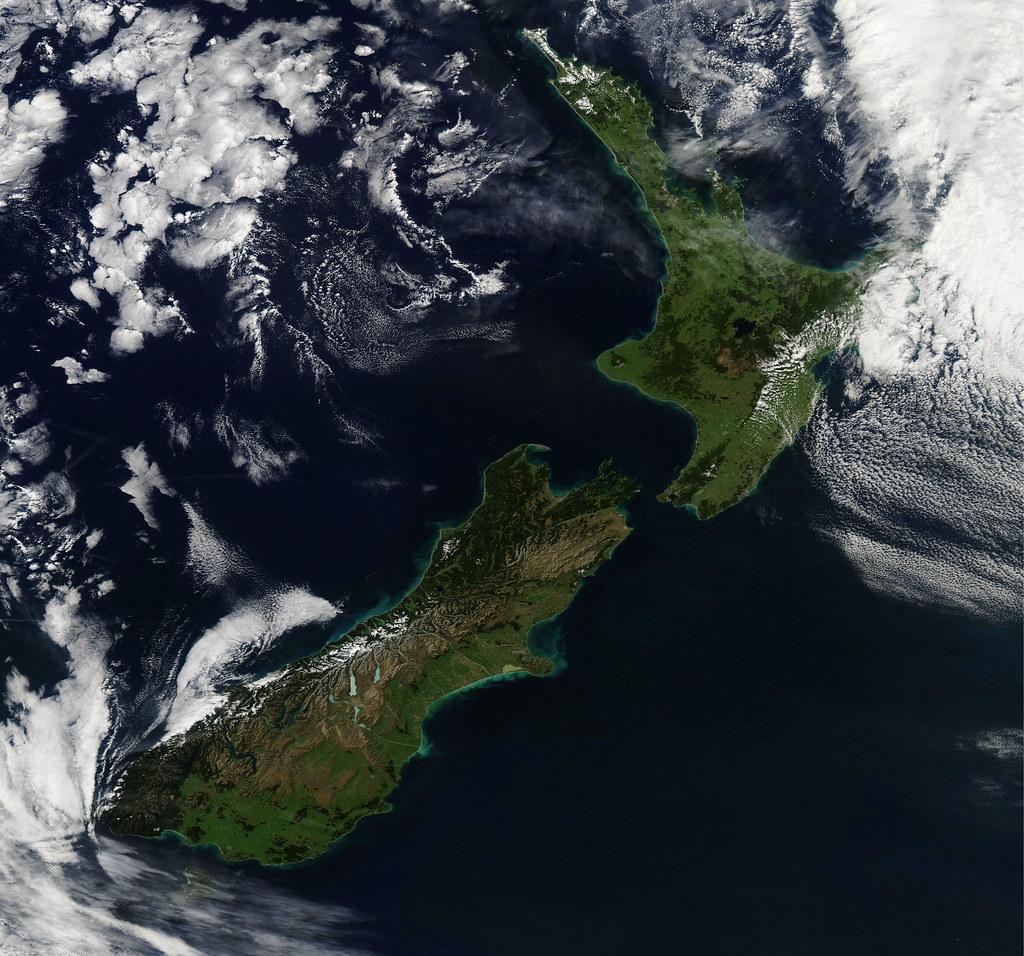
Auckland’s local economy is experiencing a period of cautious uncertainty as global geopolitical tensions and disruptive weather events overseas ripple through markets. Officials and economic experts in the city are closely monitoring these external factors, urging both vigilance and adaptability among businesses and residents.
Global Influences Cast a Long Shadow
The ongoing exchanges of military strikes between the US and Iran, which have drawn in Gulf states, and the large-scale evacuation of nearly two million people in China following a typhoon, reverberate beyond their immediate regions, affecting international trade routes and commodity prices. While Auckland is geographically distant, its role as New Zealand’s primary economic hub connects it intimately with global supply chains and investment flows.
Local economic analysts note that Auckland businesses reliant on imports and exports are particularly exposed to these disruptions. The Strait of Hormuz’s status as a major oil passage remains contentious, raising concerns over fuel prices and logistics costs that directly influence Auckland’s operating expenses and consumer spending.
Local Voices Urge Preparedness and Resilience
Economic development bodies within Auckland emphasise the need for robust contingency planning. Particularly, sectors such as transport, retail, and manufacturing are urged to review their supply chain dependencies and diversify where possible. Practical advice circulating among business networks suggests inventory assessments and closer communication with international partners to anticipate delays or cost increases.
Community leaders also highlight opportunities in embracing innovation and local self-sufficiency. With global pressures mounting, there is a push towards supporting homegrown industries and technologies to reduce vulnerability to external shocks.
While no recent Auckland-specific economic statistics are available in this immediate snapshot, the prevailing expert sentiment underscores a cautious optimism balanced with preparedness. This approach aligns with the city’s historical resilience in adapting to both global and domestic challenges.
In summary, Auckland’s economy is at a crossroads shaped by worldwide events outside its borders. Officials and experts advocate for measured vigilance, strategic adaptation, and community-level innovation as key to navigating this uncertain phase. Businesses and residents alike are advised to stay informed, diversify their economic activities, and be prepared for evolving international dynamics that could impact local economic conditions.