news
Auckland’s Complex Moment: How We Reached This Point in Local Affairs
Understanding the background and factors that have shaped Auckland’s current challenges and developments.
How we reported this
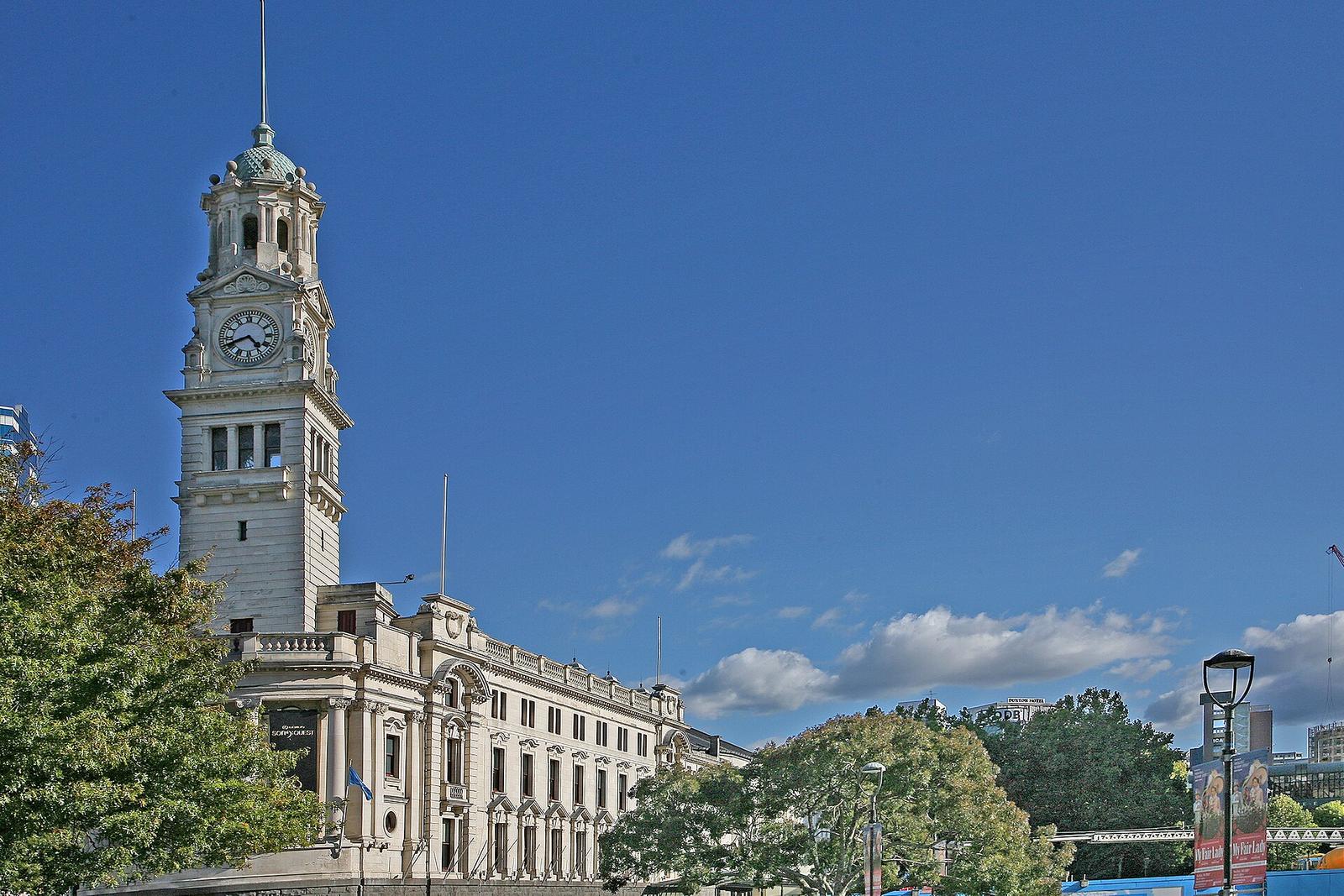
Auckland finds itself at a crossroads amid ongoing shifts in urban development, community welfare, and infrastructure demands. While recent headlines beyond the city have dominated global attention, Auckland’s trajectory reflects years of urban growth, policy debates, and the evolving needs of its diverse population.
Why Now? The Significance of Auckland’s Current Position
The capital of New Zealand’s North Island is contending with issues common to expanding metropolitan centers: balancing rapid growth with sustainable living conditions. Although events such as international political tensions and natural disasters elsewhere have claimed headlines, the day-to-day reality in Auckland is defined by the city’s need to address housing affordability, transport infrastructure, and community cohesion.
Auckland’s challenges are linked to its role as an economic and cultural hub. The city’s population growth has placed pressure on housing markets and transportation networks, emphasizing the importance of coordinated urban planning. The interplay between local government initiatives and public expectations is pivotal as the city manages these complex demands.
Local Context: The Underlying Factors Shaping Auckland’s Path
Urban development programs and transport projects remain key areas of focus for the Auckland Council and related agencies. As the city continues to attract new residents, pressure on housing supply has intensified, contributing to concerns around affordability and availability. Such issues influence social dynamics in suburbs and central neighborhoods alike.
Additionally, community services and local organisations play vital roles in supporting Auckland’s diverse population, addressing everything from health to education and cultural integration. While specific initiatives and statistics on these fronts are not publicly detailed in the latest reports, qualitative evidence from community feedback illustrates ongoing challenges and resilience.
Infrastructure developments, including roads and public transit, are critical to alleviating congestion in areas like the Central Business District and surrounding suburbs. The trajectory of these projects often depends on funding allocations, political will, and long-term planning that consider both current needs and future growth.
Public sentiment towards these issues tends to be mixed, reflecting diverse priorities among residents. Some advocate for rapid development to meet demand, while others stress environmental sustainability and maintaining community character. These tensions shape the discourse around Auckland’s urban future.
While numeric data such as precise population growth figures or housing statistics are not sourced from the current information set, the qualitative picture aligns with ongoing observations from local news and community discussions.
Looking Ahead: What’s Next for Auckland Residents?
Stakeholders, including residents, businesses, and policymakers, must continue working towards effective solutions that balance growth with quality of life. While no immediate or concrete changes are detailed in existing public sources, it is clear that multi-sector collaboration will remain essential.
For Aucklanders concerned with housing, transport, or community services, staying engaged with council initiatives and local forums can provide avenues for input and advocacy. Adaptability and participation will help the city navigate its complex development landscape.
The coming years will test Auckland’s capacity to integrate expansion with livability, requiring nuanced approaches that respect both economic opportunities and social needs.