news
Auckland's Economy Navigates Global Challenges and Local Growth
Understanding the economic currents shaping Auckland’s present and future amid global and local challenges.
How we reported this
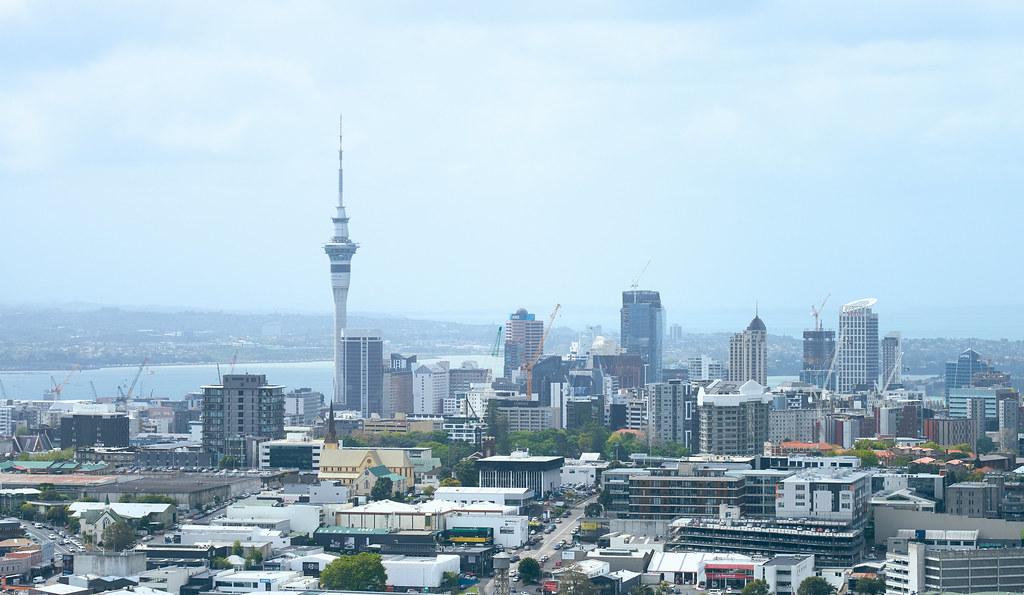
Auckland’s economic condition today reflects a complex interaction of international tensions, shifting global trade patterns, and local market adjustments. The city, like many global hubs, faces headwinds largely influenced by geopolitical events such as the renewed conflict at the Strait of Hormuz and the ongoing challenges in international commodity markets.
Why This Matters Now
The current strain on Auckland’s economy comes at a time when global energy routes and supply chains are under pressure. Following the recent escalation in conflict between the U.S. and Iran over the Strait of Hormuz, a critical maritime chokepoint for oil shipments, disruptions in trade flows have rippled through global markets. While Auckland is geographically distant from these flashpoints, the effects are felt locally as businesses and consumers contend with rising fuel prices and uncertainties in trade-dependent sectors.
This volatility exacerbates concerns about inflation, business confidence, and investment decisions within the city. Auckland’s economy, historically reliant on both domestic and international trade and investment, must navigate these challenges while maintaining growth and employment levels.
Linking Global Events to Local Impacts
The recent announcement that the U.S. would resume a blockade of Iranian ports has created renewed risk in the global supply of oil and commodities. Although the Trump administration backed away from earlier plans to impose a 20% fee on cargo transiting the Strait of Hormuz, the renewed threat of blockades contributes to market instability. For Auckland, this translates into higher import and shipping costs impacting sectors such as manufacturing, retail, and transport services.
Local businesses reliant on imported raw materials face higher operational costs, and consumers may see these costs reflected in price hikes for goods and services. Additionally, Auckland's position as New Zealand's major port city means that disruptions in global maritime trade routes are likely to have proportionally greater economic consequences here than in other regions.
While there is no specific local statistic provided in the current sources, the qualitative evidence points to an economic environment marked by cautious adaptation. Businesses and economic planners are adjusting strategies, factoring in an unpredictable global context where both supply security and cost control are front of mind.
Looking Ahead: Managing Uncertainty
For Auckland residents and businesses, the key advice is to remain informed and adaptable. Economic shocks borne overseas do not always translate immediately into local downturns, but heightened vigilance and readiness to respond to changing cost structures are essential.
Sector participants may need to explore alternatives such as diversified supply chains or greater local sourcing to mitigate dependence on unstable international routes. At the municipal and national policy levels, supporting infrastructural resilience and economic flexibility will be critical, though no new local programs or policy announcements are available at this time.
In the short term, Auckland’s economy is poised at a crossroads shaped by forces beyond its borders but with tangible local implications. Careful navigation through this period will determine how effectively the city sustains growth and prosperity amid global uncertainty.