news
Auckland's Economy Faces Critical Decisions Amid Slow Growth
With real GDP barely rising in 2025, Auckland must navigate key choices on construction, household demand, and trade to chart a path forward.
How we reported this
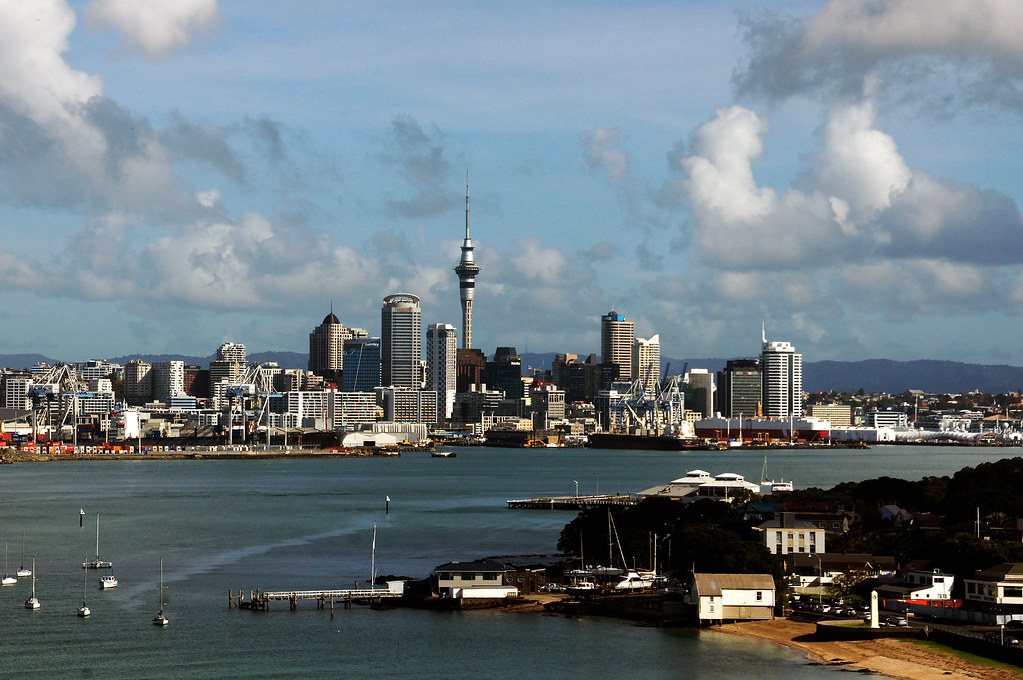
Auckland’s economy recorded sluggish growth of just 0.1% in real GDP for the year ending December 2025, significantly underperforming the national average increase of 0.5%, according to recent economic data from Knowledge Auckland. This tepid expansion raises pressing questions about how the city will stimulate its economic sectors moving forward.
Why Auckland’s Growth Stalls Matter Now
The slow pace of economic growth comes at a time when Auckland is grappling with several converging challenges, including modest household demand recovery, rising housing costs, and complex global trade conditions. Retail sales increased only by 0.4% year-on-year to December 2025, less than the 0.7% lift recorded across New Zealand as a whole, indicating that consumer spending remains cautious. At the same time, the median house price had climbed to $1,005,000 by May 2026, making affordability an ongoing concern for residents. The city’s economic health directly affects both day-to-day life and long-term regional development, intensifying the importance of strategic decisions by policymakers and industry leaders this year.
Local Indicators Point to Uneven Sectoral Performance
Auckland’s import value through its seaports reached $33.1 billion by May 2026, marking a 7% increase in real terms over the past 15 months despite global uncertainty. This uptick illustrates the area's enduring role as New Zealand’s trade hub. On the construction front, new dwelling consents for the year to February 2026 numbered 15,972, representing a 12-16% rise from the prior year, which signals steady recovery in the residential building sector. However, the non-residential building sector witnessed a sharp decline in activity, reflecting wider caution in commercial property investment. These contrasting trends highlight the complexity of Auckland’s economic landscape and reinforce the need for measured but decisive policy interventions.
What Happens Next: Key Decisions Ahead
Moving forward, Auckland’s leaders face critical decisions about balancing growth and affordability. Maintaining momentum in residential construction will be essential to easing housing pressures, but the slump in non-residential building suggests that broader investment confidence requires rebuilding. Encouraging stronger household spending is another priority, given the subdued growth in retail sales. Furthermore, sustaining Auckland’s status as a trade gateway amid global uncertainties will demand strategic infrastructure and trade facilitation initiatives.
In practical terms, continued monitoring of price trends-including the average weekly rent currently at $675-and responsiveness to consumer behavior will guide policy measures aimed at stimulating demand. The city’s economic health rests on coordinated efforts between government, developers, businesses, and communities to confront these challenges head-on. While recent statistics point to a fragile recovery, thoughtful action can help Auckland transition to a more resilient and inclusive growth trajectory in the months and years ahead.