news
Auckland Council's Decision Structure Shapes How 1.6 Million Residents Get Services
Shared responsibilities between the Governing Body and local boards determine how region-wide and neighbourhood issues are addressed under established legislation.
How we reported this
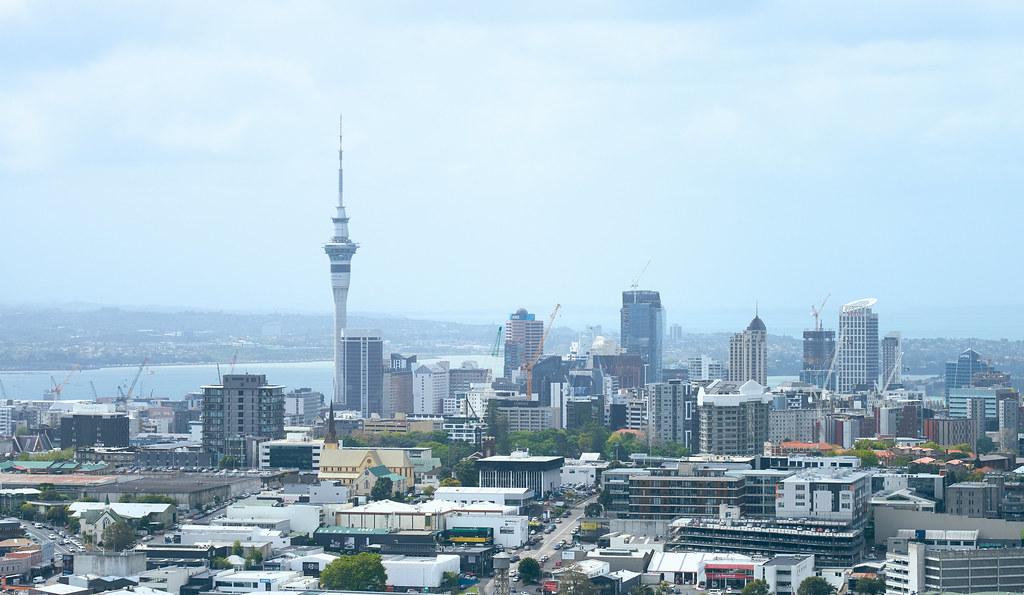
Auckland Council functions as a unitary authority with decision-making responsibilities shared between the Governing Body, consisting of the Mayor and 20 councillors, and 21 local boards. This division sets the framework for handling matters that arise in council operations.
Governing Body Responsibilities
The Governing Body handles region-wide strategic decisions, regulatory matters including the Unitary Plan, transport networks, financial management such as rates and the long-term plan, and asset acquisition or disposal. Certain decisions remain exclusive to the Governing Body and cannot be delegated, including setting council rates, adopting bylaws, borrowing money, and appointing the chief executive.
Local Boards Role
Local boards address non-regulatory decisions on local issues, activities, and facilities within their areas, provided the decision does not carry an Auckland-wide impact. This separation allows focused attention on neighbourhood-level matters while maintaining consistency on broader concerns.
Legislative Requirements
Decision-making follows the Local Government Act 2002 and Local Government (Auckland Council) Act 2009. These acts require assessment of options, consideration of community views, and specific engagement with Māori regarding ancestral lands and taonga. The process applies whenever council addresses items in its schedule.
Practical Implications for Council Operations
Residents and community groups interact with this structure depending on whether an issue affects one local board area or the wider region. The rules ensure that strategic and financial choices stay centralised while everyday local facilities and activities receive dedicated oversight. No new events or changes to this model appear in the available governance information this week, so the established division continues to guide how matters are allocated and resolved.
Those seeking to follow council activity can review the relevant legislation and governance statements for details on which body handles specific types of decisions. This approach keeps decision paths clear for both region-wide priorities and localised concerns.