Our reporters are based in Auckland and cover local government, business and community. The Daily Auckland is independently owned and editorially independent — no political party, council or commercial sponsor decides what we publish. Read our editorial standards →
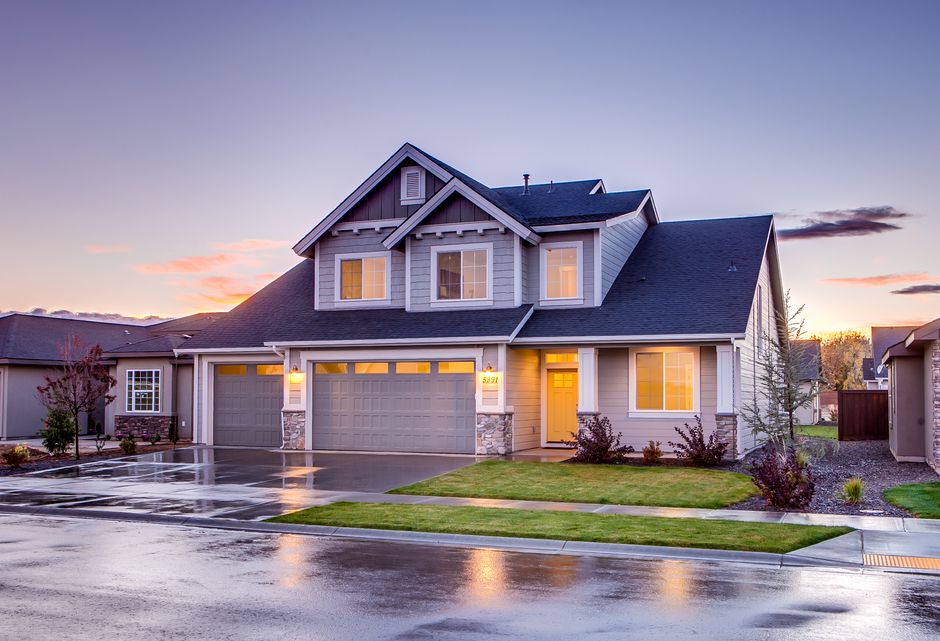
Auckland's median house price has surpassed $1.2 million, sparking concerns that the market is overheating. This key statistic has led many to draw comparisons with the 2021 boom cycle, when prices skyrocketed by over 20% in just six months.
The reason this matters now is that the current market conditions are eerily similar to those of 2021. Low interest rates, a shortage of supply, and high demand are all contributing factors to the rapid price growth. However, there are also some key differences, particularly in terms of government policy and regulatory oversight. The introduction of the Healthy Homes Guarantee Act in 2021, for example, has had a significant impact on the rental market, with many landlords opting to sell rather than upgrade their properties to meet the new standards.
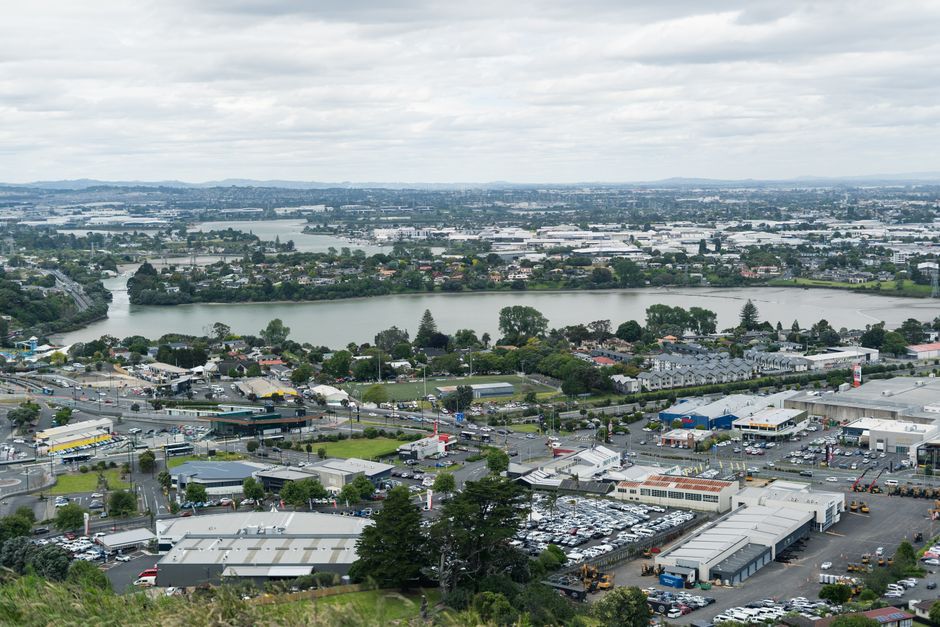
In local areas like Ponsonby and Grey Lynn, prices are continuing to rise, with the average sale price in these suburbs now exceeding $2 million. Organisations like the Auckland Property Investors Association and the Real Estate Institute of New Zealand are warning buyers to be cautious, citing concerns over affordability and sustainability. Meanwhile, in areas like Otahuhu and Papakura, prices are still relatively affordable, with median house prices ranging from $800,000 to $1 million. The Tamaki Regeneration programme, a $1.1 billion urban renewal project, is also expected to have a significant impact on the local market, with thousands of new homes and amenities planned for the area.
Drilling Down into the Data
A closer look at the data reveals some interesting trends. According to figures from the Real Estate Institute of New Zealand, the median house price in Auckland has increased by 15% in the past 12 months, with the average sale price now sitting at $1,230,000. In terms of specific statistics, the REINZ reports that the number of homes sold in June 2026 was down 10% on the same period last year, while the median days to sell was just 30 days. This suggests that while the market is still highly competitive, there may be some signs of slowing down. The QV House Price Index, which tracks house prices across the city, also shows that prices are rising at a rate of 1.5% per month, which is significantly slower than the 3% per month seen during the 2021 boom cycle.
So what happens next? For buyers, the advice is to be cautious and do your research. With prices rising so quickly, it's essential to understand the market and make informed decisions. For sellers, the current market conditions present a great opportunity to get a good price for your property. However, it's also important to be aware of the potential risks, particularly if the market does slow down. As the market continues to evolve, it will be interesting to see how it compares to the 2021 boom cycle, and whether the current trends will continue or reverse. One thing is certain, however - Auckland's dynamic real estate market will continue to be a major talking point for months to come.
Partner Content
Sponsored
Reach Auckland readers with Partner Content
Sponsored placements run alongside our editorial coverage. Clearly labelled, your brand sits in front of the morning audience that reads the city's daily.