property
Glen Innes Emerges as Auckland’s Newest Property Investment Hotspot
Infrastructure upgrades and urban renewal are driving rising interest and prices in this eastern suburb.
How we reported this
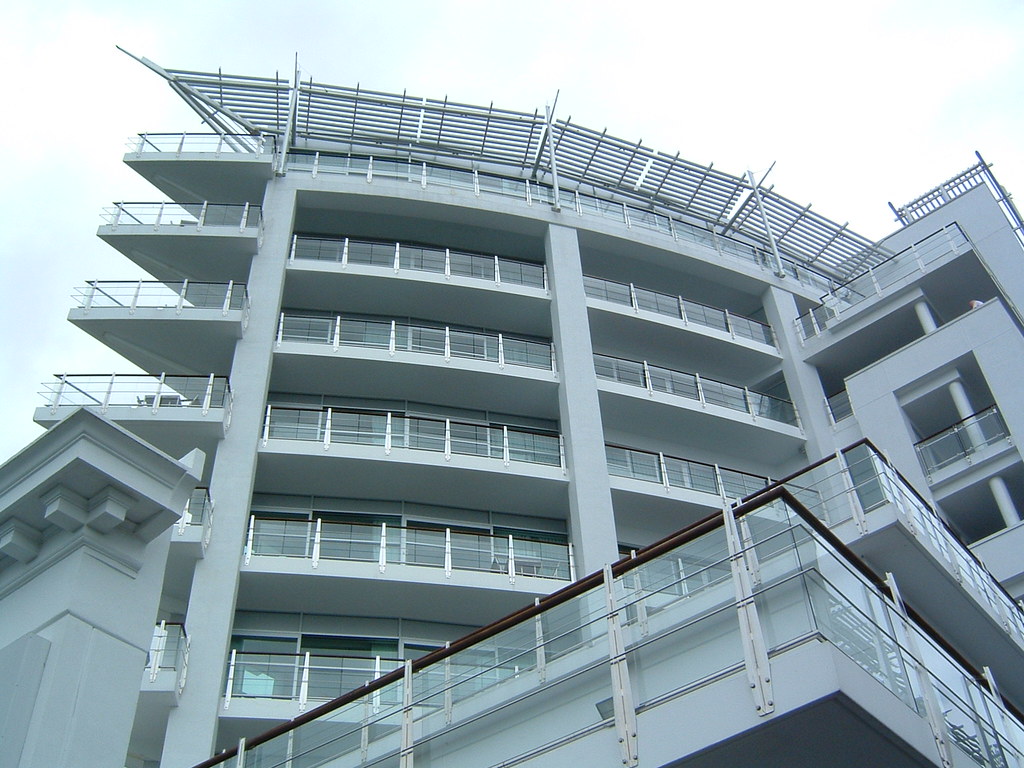
The Auckland suburb of Glen Innes is rapidly gaining recognition as a prime location for property investors, with recent data showing a noticeable uptick in both residential demand and price growth. This eastern suburb is capitalising on major transport projects and community development plans to transform its housing landscape.
Why Glen Innes Is Attracting Investors Now
Glen Innes, once overlooked relative to inner-city precincts, has come into sharper focus amid Auckland’s ongoing efforts to ease housing pressures. The completion of the $1.4 billion Eastern Busway in 2025, which includes new stations at Glen Innes and Panmure, has significantly improved access to the Auckland CBD and South Auckland. This enhanced connectivity is reshaping commuting patterns and making the suburb far more attractive to buyers and renters.
Additionally, Auckland Council’s Tamaki Regeneration Project, aimed at revitalising East Auckland’s housing stock, has injected new investment into Glen Innes. The initiative includes upgrading public spaces, introducing mixed-use developments, and increasing affordable housing options. These combined efforts signal strong long-term potential that investors are keen to tap into now.
Local Developments Sparking Renewed Interest
Two specific developments are contributing to Glen Innes’s rising profile. The new Glen Innes Library and Community Centre, opened in late 2025 at the corner of Apirana Avenue and St John’s Road, offers modern amenities that residents value highly. The nearby St Johns Precinct, with its growing cafes, boutique shops, and green spaces, is also drawing new families and professionals to the area.
Moreover, institutional interest has been noted with places like Kāinga Ora fast-tracking housing projects on local brownfield sites, incorporating high-density apartments alongside parks and cycleways. These moves balance growth with quality of life, making Glen Innes stand out compared to some other suburbs struggling with sprawling development.
Rising Prices Back Up the Trend
According to the Real Estate Institute of New Zealand (REINZ), the median house price in Glen Innes increased from $840,000 in July 2025 to $900,000 by June 2026, marking a rise of 7.1%. This contrasts with Auckland’s overall median price holding steady at around $1.1 million over the same period. Rental demand has similarly surged, with average weekly rents climbing by approximately 6% in the past year, driven by young professionals and families seeking proximity to upgraded transport and amenities.
Local agencies report that houses on Apirana Avenue and Tamaki Drive, two of the area’s key streets, are selling within weeks, often above the asking price. The combination of improved infrastructure and quality urban design appears to be converting Glen Innes from an undervalued suburb into a sought-after location.
However, some caution remains. Analysts remind investors that while price growth is promising, the suburb is still in transition and long-term returns will depend on the sustained delivery of public projects and community integration.
What Glen Innes Investors Should Consider Next
For potential investors eyeing Glen Innes, timing is critical. Entering the market before further stages of the Eastern Busway roll out and additional Tamaki Regeneration initiatives could maximise capital appreciation. Close attention should be paid to the Auckland Transport announcements and Kāinga Ora housing plans due in late 2026 for new opportunities.
Buyers are advised to balance potential rental yields with expected capital gains and consider properties close to transport nodes like the Glen Innes Station or community hubs such as the new library. Working with local real estate firms experienced in eastern suburbs can provide critical insights into rapidly evolving market dynamics.
In sum, Glen Innes stands out as Auckland’s emerging investment hotspot due to a confluence of infrastructure improvements, government-led urban renewal, and steady demand from a growing resident base. Investors willing to navigate this evolving market could find significant value over the coming years.
This article is general information only and is not personal financial or investment advice. Consider your own circumstances and seek licensed professional advice before making financial decisions.