property
Auckland’s Rental Market Strains Both Tenants and Landlords Amid Rising Costs
Steep rent hikes and low vacancy rates are heightening tensions in Auckland’s housing scene, impacting affordability and property owners’ incomes.
How we reported this
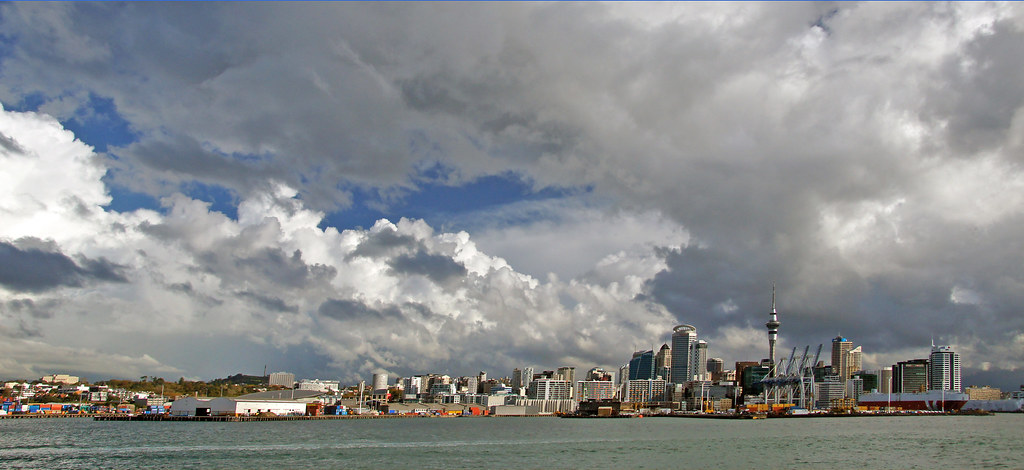
Auckland’s rental market is tightening with average rents climbing 8% over the past year, leaving tenants stretched thin while landlords grapple with increased maintenance costs and regulatory pressures. This shift is reshaping how both sides of the housing equation are managing day-to-day realities.
This surge comes as the effects of rising interest rates and inflation ripple through the local economy. High demand but limited supply in suburbs like Mount Eden and Grey Lynn are fuelling the rent growth, compounding affordability issues for many working Aucklanders. The shortage of new rental homes, impacted by developers pausing projects amid uncertain credit conditions, has squeezed the market further.
Local Impact: Tenants Face Tough Choices, Landlords Navigate Tight Margins
At the forefront of this crunch are tenants in popular but costly areas such as Mount Eden’s Balmoral Road, where two-bedroom flats now average $650 per week, according to figures from the Ministry of Business, Innovation and Employment (MBIE) June 2026 rental report. For many, that rent level means choosing between long commutes from outer suburbs or accepting less space and amenities closer to the city.
Landlords operating in Grey Lynn’s Eversleigh Street report rising outgoings due to recent council-imposed energy efficiency upgrades under the Healthy Homes Standards. Although these measures aim to improve living conditions, compliance costs, often between $2,000 and $5,000 per property, are falling on owners, many of whom have seen yields squeeze tighter amid a subdued property sales market.
Data Underscores Mounting Pressure as Vacancy Rates Dip
The MBIE June 2026 report reveals Auckland’s rental vacancy rate hit 0.8%, the lowest in eight years, intensifying competition for available homes. The median weekly rent in Auckland reached $620, a 7.9% year-on-year increase, outpacing wage growth of roughly 3.5% as per Stats NZ. These figures confirm a widening gap between income and housing costs.
Further complicating matters, Auckland Council’s recent decision to slow new build consents in some suburban zones due to infrastructure constraints limits the pipeline of new rental properties. This stands in contrast to the government’s KiwiBuild program, which aims to deliver affordable housing but has yet to significantly affect the rental landscape in the region.
Industry bodies like the Real Estate Institute of New Zealand (REINZ) are calling for balanced policy responses that support landlords to maintain properties while protecting vulnerable tenants from eviction and unaffordable rent hikes. The pressures reflect broader nationwide trends but are especially acute in Auckland's dense urban neighbourhoods.
Looking forward, tenants may need to be more flexible, considering shared housing or longer commutes, while landlords should prepare for ongoing regulatory changes and potential financial strain on smaller portfolio holders. Engagement with tenancy organisations such as Tenancy Services and local iwi housing initiatives offers a path to support amid the shifting market.
As Auckland’s rental scene evolves, close monitoring of market data and proactive dialogue between government, tenant groups, and property owners will be key to balancing competing needs and ensuring housing remains accessible and sustainable for all.
This article is general information only and is not personal financial or investment advice. Consider your own circumstances and seek licensed professional advice before making financial decisions.